
In the pursuit of optimal health, diet and exercise often dominate the conversation. However, a growing body of research suggests that creative expression plays an equally vital role in maintaining a healthy lifestyle.
Engaging in artistic activities stimulates the brain, reduces stress hormones, and provides a necessary outlet for complex emotions.
For professionals and individuals alike, understanding the link between creativity and health is essential for fostering a holistic approach to mental wellness.
The integration of arts into daily routines is not merely a hobby; it is a scientifically backed method for improving quality of life.
Whether through structured clinical settings or personal exploration, the act of creating offers a unique pathway to psychological resilience. This article explores the mechanisms behind this connection and offers actionable strategies for achieving a sustainable creative balance in your life.
The Neuroscience of Artistic Engagement
To understand why art heals, we must first look at the brain. Creativity is a cognitive function that engages multiple neural pathways, fostering connectivity between the left and right hemispheres. This neural workout enhances cognitive reserve and neuroplasticity.
Dopamine Release and Reward Pathways
When individuals engage in creative tasks, the brain releases dopamine, a neurotransmitter associated with pleasure and motivation. This chemical response is similar to the effects of meditation or physical exercise.
The “flow state”—a term coined by psychologist Mihaly Csikszentmihalyi—describes a period of optimal attention and focus during creative work. In this state, the brain quiets the prefrontal cortex, reducing self-criticism and creating a sense of clarity and peace.
Cortisol Reduction
A study published in the Journal of the American Art Therapy Association found that 45 minutes of creative activity significantly lowers cortisol levels, the body’s primary stress hormone.
High levels of cortisol are linked to anxiety, sleep disruption, and weight gain. By engaging in art, the body physically shifts from a state of arousal to a state of relaxation, validating the physiological benefits of artistic endeavors.
Defining Clinical Art Therapy Practices
While recreational art is beneficial, it is distinct from professional therapeutic interventions. Understanding this distinction is crucial for those seeking specific psychological outcomes.
The Role of the Credentialed Therapist
Art therapy is a distinct mental health profession in which clients, facilitated by an art therapist, use art media, the creative process, and the resulting artwork to explore their feelings.
Unlike an art class, where the focus is on technique and the final product, the focus here is on the process itself.
An art therapist is trained to interpret the non-verbal messages conveyed through art, helping clients unlock subconscious thoughts that may be difficult to articulate verbally.
Therapeutic Goals vs. Artistic Technique
In a clinical setting, the aesthetic quality of the work is irrelevant. The primary goals include:
- Conflict Resolution: Processing internal and external stressors.
- Insight Development: Gaining a deeper understanding of oneself.
- Social Skills: Enhancing interpersonal communication.
This structured approach ensures that art therapy provides a safe container for emotional release, guided by professional expertise.
Emotional Regulation and Mental Wellness
Visual arts provide a tangible way to externalize internal experiences. For individuals struggling with verbal expression, art serves as a secondary language.
Processing Trauma Non-Verbally
Trauma is often stored in the non-verbal parts of the brain. Painting, drawing, or sculpting allows individuals to access these memories without the immediate need for words.
This externalization creates a critical distance between the individual and their trauma, making the healing process more manageable.
By manipulating materials, one can metaphorically manipulate one’s reality, fostering a sense of control and empowerment.
Enhancing Self-Esteem and Resilience
The act of creating something from nothing fosters a sense of accomplishment. Completing an artistic project releases serotonin and builds self-efficacy. This boost in confidence often translates to other areas of life, enhancing overall mental wellness.
- Mastery: Learning new skills builds confidence.
- Identity: Art allows for the exploration of self-identity.
- Catharsis: Releasing pent-up emotions reduces psychological burden.
Establishing a Sustainable Creative Balance
For busy professionals, finding time for art can seem impossible. However, integrating creativity does not require hours of studio time. It requires a shift in perspective regarding how we value our leisure time.
Scheduling Artistic Intervals
Just as one might schedule a gym session, scheduling time for creativity is essential. This could be as simple as 15 minutes of sketching during a lunch break or engaging in mindful photography during a weekend walk.
The key is consistency over intensity. Prioritizing these moments helps maintain a healthy creative balance, preventing burnout and fostering renewed energy for professional responsibilities.
Integrating Micro-Creative Moments
Creativity doesn’t require a studio or a gallery; it can be woven into the fabric of your daily routine. You can infuse artistic expression into mundane tasks through simple shifts in perspective:
- Culinary Arts: Treat dinner like a canvas by testing new ingredients or focusing on how you plate your food.
- Journaling: Swap linear notes for mind maps, doodles, or visual sketches.
- Environment: Curate your workspace with visuals that inspire you, or simply organize your desk in a way that feels aesthetically pleasing.
These small adjustments accumulate over time, building a lifestyle that honors your need for self-expression without interfering with your professional responsibilities.
Sometimes, sparking inspiration requires a brief pause to reset your senses. If you enjoy pairing your creative downtime with a flavorful experience to help you relax and refocus, click here to explore premium, rechargeable options in flavors like Dragon Fruit or Cool Mint that can complement your break.
Practical Methods for Artistic Integration
You don’t need to be a “talented” artist to enjoy art-based wellness. The goal is the process, not the outcome, making the barrier to entry incredibly low.
Structured vs. Unstructured Creation
Choose an activity based on what your mind needs in the moment:
- Structured Activities: Tasks like knitting, paint-by-numbers, or adult coloring books are excellent for reducing decision fatigue. They help induce a meditative state through repetition and clear guidelines.
- Unstructured Activities: If you need to process emotions or think outside the box, try free painting, clay modeling, or collage. These open-ended formats allow for unrestricted expression.
Recommended Tools for Beginners
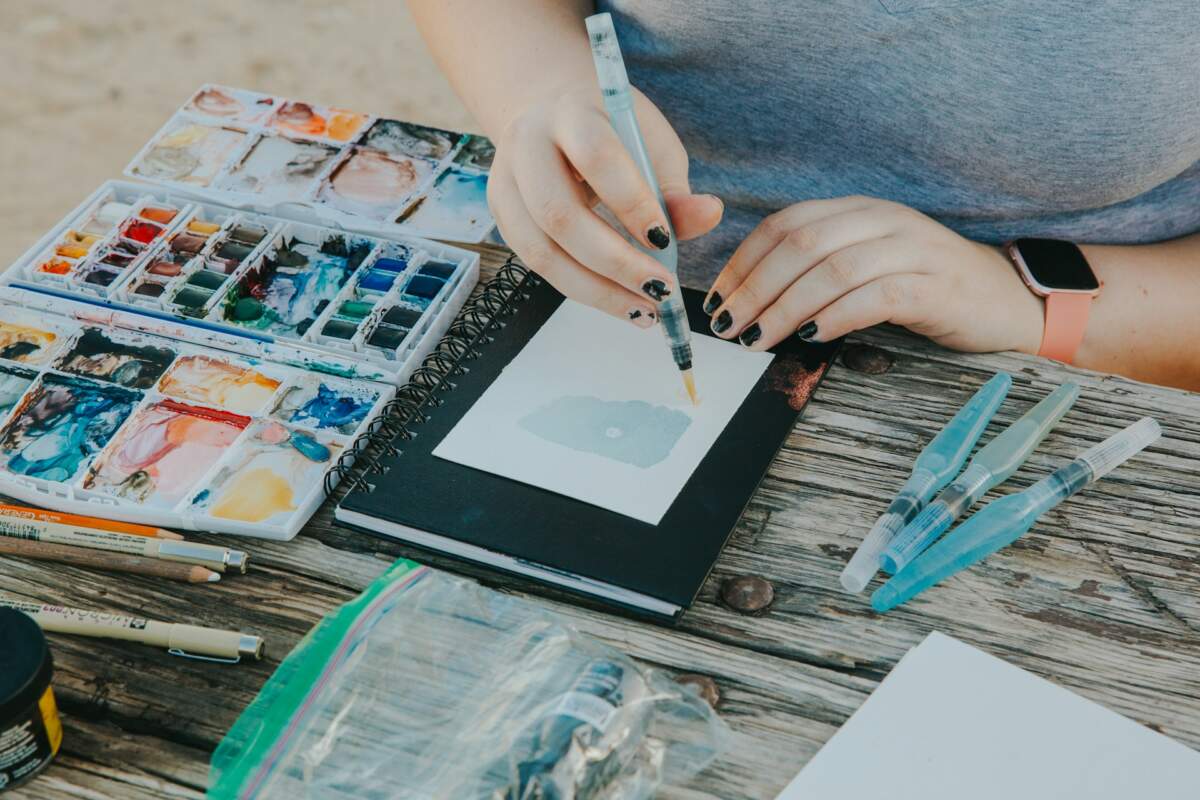
To encourage spontaneous creativity, assemble a basic kit and keep it visible at home. If the tools are within reach, you are more likely to use them. Consider stocking:
- A sketchbook and graphite pencils
- Oil pastels or a simple watercolor set
- Old magazines and glue for collaging
- Modeling clay
Long-Term Cognitive Benefits
Consistent engagement with art does more than just relax you in the present. Over time, these habits offer protective benefits for your brain, helping to ward off cognitive decline and keeping your mind sharp well into the future.
Cognitive Resilience and Aging
Research indicates that participating in arts activities may delay the onset of cognitive decline in older adults.
The mental effort required to plan, execute, and reflect on an artwork stimulates neural growth. This “cognitive reserve” acts as a buffer against the effects of aging, keeping the mind sharp and agile.
Social Connection and Community
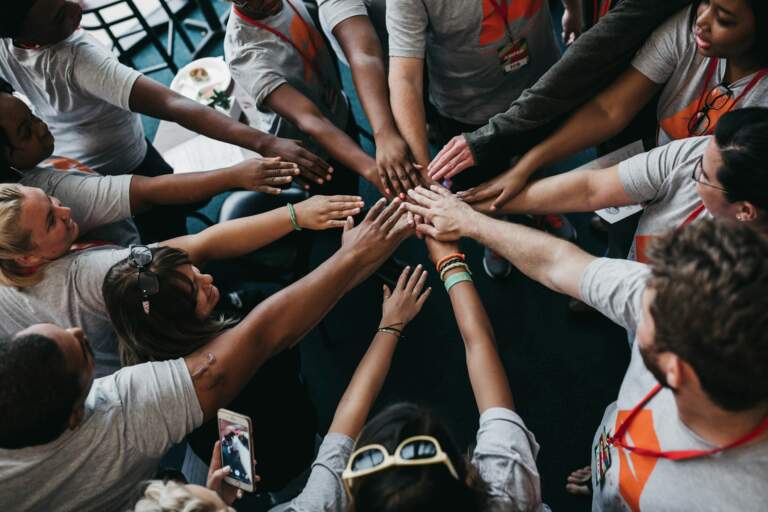
Art often fosters community, whether through classes, gallery visits, or online groups. Social connection is a key determinant of mental wellness, combating isolation and loneliness.
Engaging with others over shared creative interests provides a support network that validates one’s experiences and fosters a sense of belonging.
Integrating Art for a Healthier Future
The intersection of art and health offers a powerful toolkit for navigating the complexities of modern life. By understanding the neurological benefits and practical applications of creativity, we can build resilience and enhance our quality of life.
Whether you pursue professional art therapy or simply dedicate time to a sketchbook, the result is a profound investment in your own well-being.
Achieving a true creative balance requires intention, but the rewards—reduced stress, improved cognition, and emotional clarity—are well worth the effort. Start small, remain consistent, and allow the creative process to support your journey toward holistic health.