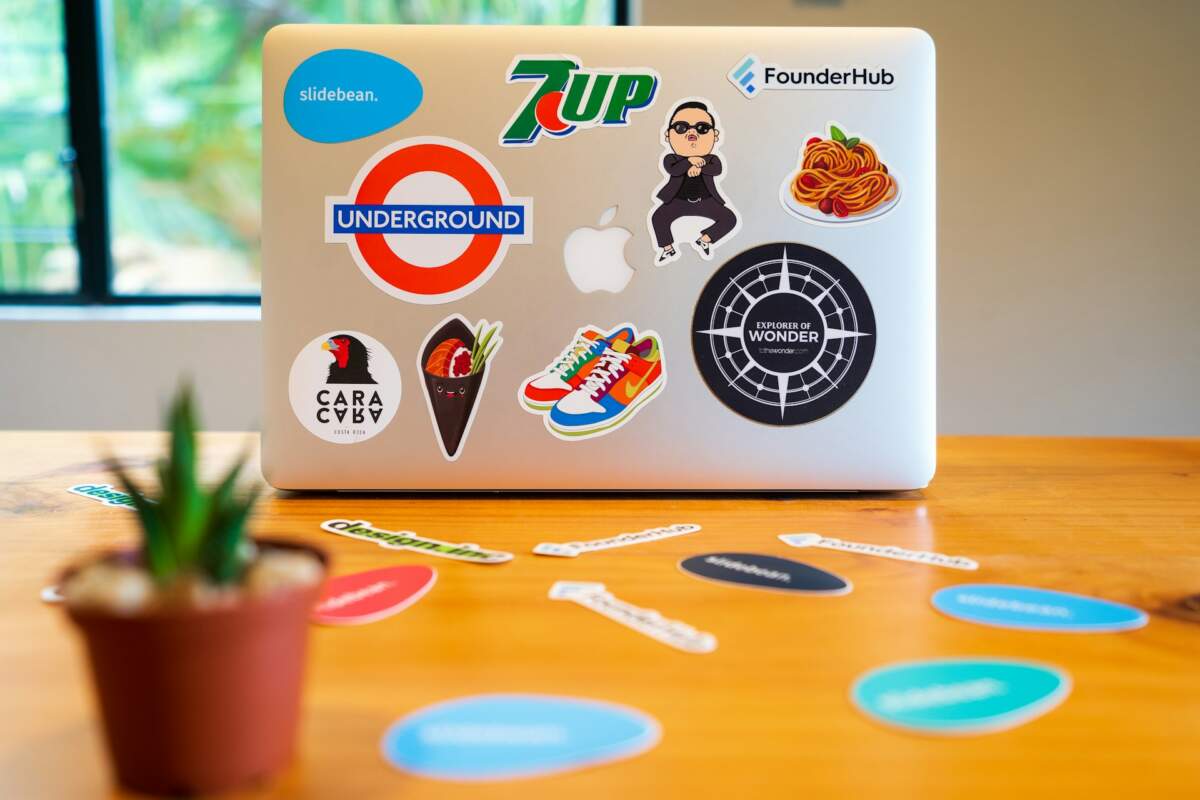

A fragmented reputation is one of the quickest ways to lose customer trust and dilute market share.
When a customer encounters your business, they expect a seamless experience, regardless of whether they are viewing a billboard, scrolling through a social media feed, or navigating your website.
A disjointed aesthetic confuses the consumer and suggests a lack of attention to detail behind the scenes.
Consistency is the bedrock of recognition. By standardizing your aesthetic across all touchpoints, you effectively control the narrative of who you are and what you stand for.
This process requires a strategic approach to design, rigorous adherence to guidelines, and constant auditing. The following sections outline the critical steps necessary to solidify your corporate reputation and ensure your visual branding remains impeccable.
Defining the Core Aesthetic Components
Before you can enforce consistency, you must first define the immutable elements of your brand. These are the non-negotiables that form the visual language your company speaks. Without a clear definition here, variation is inevitable.
The Strategic Power of Color and Typography
Your color palette and typography are the most immediately recognizable aspects of your business. It is not enough to simply choose “blue” and “bold text.”
You must define specific Hex codes, RGB values for digital use, and CMYK or Pantone codes for print. This ensures that your signature blue looks the same on a business card as it does on an iPhone screen.
Typography requires a similar level of strictness. You need a primary typeface for headlines and a secondary typeface for body copy. Establishing a hierarchy ensures readability and familiarity.
- Primary Typeface: Used for logos and major headers to command attention.
- Secondary Typeface: Used for long-form text, focused on legibility.
- Accent Typeface: Optional, used sparingly for calls to action or quotes.
Establishing Rigorous Brand Guidelines
Once you have defined your core elements, you must codify them in a central document, often called a brand bible or style guide.
This acts as the single source of truth for anyone creating content for your company, from internal marketing teams to external freelancers.
Think of your style guide as the ultimate reference material for your brand’s identity. It prepares your team to execute designs flawlessly, much like a tradesperson relies on study guides to master their craft.
For instance, an aspiring industrial mechanic wouldn’t attempt a certification without first consulting ared seal millwright practice test to ensure they meet the industry standard.
Your brand guide serves the exact same purpose: it ensures every piece of content meets your company’s high standards before it goes public.
Creating the Style Guide
A comprehensive style guide leaves no room for interpretation. It should detail exactly how logos can be used, including clear space requirements and minimum sizing.
It must also explicitly state what not to do, such as stretching the logo, changing its colors, or placing it on busy backgrounds.
Your guide should include:
- Logo Usage: Variations, spacing, and forbidden alterations.
- Color Palette: Primary, secondary, and tertiary colors with exact codes.
- Typography: Font families, weights, and hierarchy rules.
- Iconography: The style of icons (e.g., flat, outlined, 3D) used in UI/UX.
By distributing this guide to all stakeholders, you ensure that every piece of collateral contributes to a unified creative identity.
Optimizing Your Digital Footprint
Your website and social media profiles are often the first point of contact for potential leads. If these platforms look like they belong to different companies, you risk increasing your bounce rate.
The user interface (UI) and user experience (UX) must feel familiar to the visitor, reinforcing reliability.
Website and Social Synergy
Your website is the hub of your online presence. It must reflect the guidelines established in your style guide perfectly. Buttons should have consistent corner radii, hover states should be uniform, and headers should follow the established typographic hierarchy.
Social media adds a layer of complexity due to the different formats required (square, portrait, landscape). However, the “vibe” must remain consistent. Templates are a powerful tool here.
Creating pre-approved templates for Instagram stories, LinkedIn banners, and Twitter posts ensures that even when content is produced quickly, it aligns with the master aesthetic.
Curating Imagery and Photography
A logo and a color palette are not enough to sustain a brand; the photography and illustrations you use play a massive role in setting the tone.
If your website uses high-contrast, gritty black-and-white photography, but your brochure uses bright, saturated stock photos of smiling people, there is a disconnect.
Developing an Image Library
To maintain consistency, it is best to build a proprietary library of assets. If custom photography is not within the budget, you must curate stock photography carefully. Select images that share similar lighting, composition, and subject matter.
Consider the following when curating images:
- Lighting: Is it natural and soft, or artificial and harsh?
- Saturation: Are the colors muted and earthy, or bright and neon?
- Composition: Do images feature people, abstract shapes, or landscapes?
This attention to detail ensures your visual branding tells a coherent story, regardless of the medium.
Conducting Regular Asset Audits
Entropy is natural in business; over time, old logos resurface, and off-brand colors sneak into presentations.
To combat this, you must implement a schedule for auditing your assets. This is a quality control measure designed to catch inconsistencies before they damage your reputation.
The Audit Checklist
Quarterly or bi-annual audits allow you to review all customer-facing materials. This involves checking your website for outdated banners, reviewing recent social media posts, and examining sales decks used by your account executives.
During an audit, ask the following questions:
- Are all digital profiles using the current logo?
- Do the sales presentations use the correct fonts?
- Is the tone of voice on the blog consistent with the visual vibe?
- Are there any broken links or low-resolution images diminishing your online presence?
Aligning Internal Teams and Stakeholders
The biggest threat to consistency is often internal misalignment. If your sales team cannot find the right presentation template, they will create their own, often with disastrous design results. Accessibility is the compliance solution.
Accessibility of Assets
Utilizing a Digital Asset Management (DAM) system ensures that everyone in the organization has access to the latest, approved files.
When an employee needs a logo, they should be able to download the correct format immediately, rather than searching Google Images for a low-quality version. Training is also essential.
Regular workshops on why the creative identity matters can help employees understand that brand guidelines are not just bureaucratic hurdles, but strategic tools for growth. When the team understands the “why,” compliance with the “how” improves significantly.
Securing Long-Term Recognition
Building a recognizable aesthetic is not a one-time project; it is an ongoing operational commitment.
By defining your core elements, enforcing strict guidelines, and ensuring your online presence mirrors your offline collateral, you build a fortress of reliability around your business.
When every interaction a customer has with your company feels familiar and professional, you shorten the sales cycle and increase loyalty.
A cohesive visual branding strategy signals competence, stability, and attention to detail—qualities that every customer seeks in a partner.
Through regular audits and team alignment, you protect the investment you have made in your creative identity, ensuring it continues to pay dividends in trust and recognition for years to come.