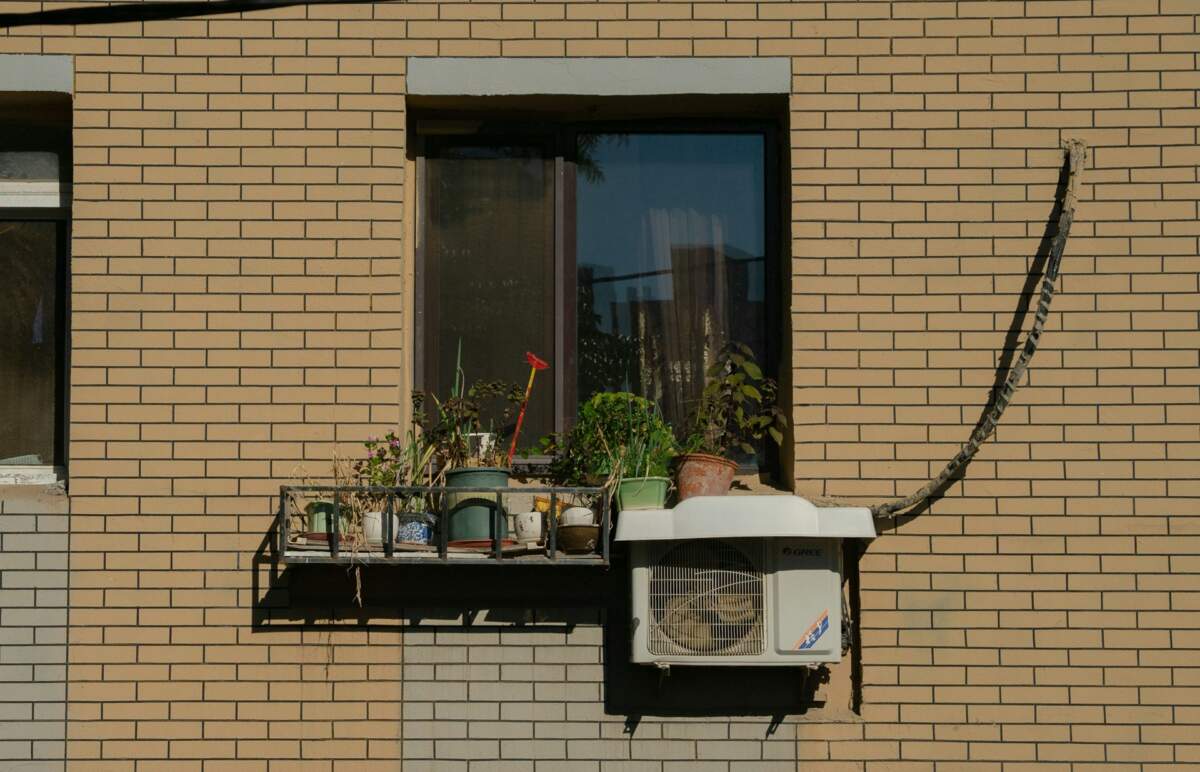

Heating, ventilation, and air conditioning systems are the lungs of a home, circulating air to maintain a comfortable environment year-round. However, they are also typically the largest consumers of energy in a residential property.
According to the U.S. Department of Energy, heating and cooling account for nearly half of the energy use in a typical American home. This statistic often translates into significant monthly expenses, especially during extreme weather seasons.
Achieving optimal energy efficiency does not necessarily require a complete system overhaul or living in discomfort. Often, a combination of consistent maintenance, behavioral changes, and strategic upgrades can drastically reduce energy consumption.
By paying attention to how the system operates and the environment it serves, homeowners can extend the lifespan of their equipment while keeping utility costs in check.
The following guide outlines six essential strategies to optimize performance and ensure maximum home comfort.
1. Prioritize Routine Air Filter Maintenance
The air filter is a critical component of any HVAC system, yet it is often the most overlooked. Its primary function is to trap dust, pollen, and other airborne particles, preventing them from entering the equipment and circulating through the house.
When a filter becomes clogged, the system must work significantly harder to push air through the resistance.
This added strain increases energy consumption and can lead to premature system failure. A clean filter allows for smooth airflow, which keeps the fan motor running efficiently and the energy bills lower.
Establishing a Schedule
Experts recommend checking air filters at least once a month, especially during peak heating and cooling seasons.
While many manufacturers suggest changing them every three months, households with pets or allergy sufferers may need to replace them more frequently.
- Visual Check: Hold the filter up to the light. If light cannot pass through it, it is time for a replacement.
- MERV Ratings: diverse filters have different Minimum Efficiency Reporting Value (MERV) ratings. Higher ratings catch smaller particles but can restrict airflow if the system isn’t designed for them. Consult the manual to find the optimal rating.
2. Upgrade to a Smart Thermostat
Old, manual thermostats leave significant room for human error and inefficiency. It is easy to forget to adjust the temperature before leaving for work or going to sleep, resulting in the system heating or cooling an empty or inactive house.
Smart thermostats solve this problem through automation and learning algorithms. These devices learn a household’s schedule and temperature preferences over time, automatically adjusting settings to maximize savings without sacrificing comfort.
The Power of Automation
By installing a smart thermostat, users gain precise control over their climate settings.
- Geofencing: Some models use a smartphone’s location to detect when residents leave or return, adjusting the temperature accordingly.
- Remote Access: Homeowners can adjust settings from anywhere via an app, ensuring the AC isn’t blasting while they are on vacation.
- Usage Reports: Many devices provide detailed reports on energy usage, helping users identify further opportunities for savings.
3. Consider a Modern Heat Pump Installation
For homeowners looking to make a significant upgrade, a heat pump installation offers one of the most energy-efficient alternatives to traditional furnaces and air conditioners.
Unlike combustion-based heating systems, heat pumps transfer heat rather than generating it.
During the winter, they extract heat from the outside air (even cold air has heat energy) and move it indoors. In the summer, they reverse the process, acting like an air conditioner.
Why Heat Pumps Excel
Because they move heat rather than create it, heat pumps can deliver one-and-a-half to three times more heat energy to a home than the electrical energy they consume. This efficiency makes them an attractive option for eco-conscious homeowners.
Modern technology has also improved their performance in colder climates, making them a viable solution for a wider geographic range.
4. Seal Ductwork and Improve Insulation
Even the most advanced HVAC system cannot perform efficiently if the home’s “envelope” is compromised. Leaky ductwork is a major culprit in energy loss.
The Environmental Protection Agency estimates that about 20 to 30 percent of the air that moves through the duct system is lost due to leaks, holes, and poorly connected ducts.
This means paid-for heated or cooled air is escaping into the attic, basement, or crawl spaces.
Strengthening the Thermal Barrier
Ensuring the home is well-insulated is equally important. Proper insulation keeps the conditioned air inside and the outdoor air outside.
- Duct Sealing: Professional contractors can use mastic or metal tape to seal leaks in exposed ductwork.
- Attic Insulation: Heat rises, and a poorly insulated attic lets winter heat escape and summer heat invade. Adding insulation here provides a high return on investment.
- Weatherstripping: Seal gaps around windows and doors to prevent drafts that force the HVAC system to cycle on more frequently.
5. Utilize a Zone Control System
In many homes, a single thermostat controls the temperature for the entire building. This often leads to energy waste, as the system heats or cools unused guest rooms or basements just to keep the occupied living room comfortable.
A zoning system solves this by dividing the home into distinct areas, each with its own thermostat.
Targeted Temperature Control
Zoning systems utilize motorized dampers within the ductwork to direct airflow only where it is needed.
- Upstairs vs. Downstairs: Heat rises, making upstairs rooms naturally warmer. Zoning allows for independent cooling of the upper floor without freezing the ground floor.
- Occupancy-Based Control: Bedrooms can be kept cool at night while the living areas are allowed to drift to a more energy-saving temperature.
6. Maintain Clear Vents and Unobstructed Airflow
A simple yet effective way to implement HVAC tips for efficiency is to ensure the system can breathe.
Homeowners often inadvertently block supply and return vents with furniture, rugs, or curtains. When vents are blocked, the pressure within the ductwork increases, which can stress the system and lead to uneven temperatures.
Room Arrangement for Airflow
Walk through every room and ensure that all vents are unobstructed.
- Furniture Placement: Move sofas, bookshelves, and beds at least a few inches away from vents to allow air to circulate freely.
- Open Vents: A common myth is that closing vents in unused rooms saves energy. In reality, modern central air systems are designed for a specific pressure load. Closing too many vents disrupts this balance and can actually reduce efficiency. Keep at least 80% of the vents in the home open.
Sustaining Long-Term Efficiency
Maintaining an energy-efficient home is an ongoing process rather than a one-time fix. While smart technology and heat pump installation provide significant structural advantages, the daily habits of the occupants play a massive role in overall energy consumption.
Regular professional maintenance is the final piece of the puzzle. An annual tune-up by a certified technician ensures that refrigerant levels are correct, electrical connections are tight, and all components are functioning safely.
By combining these six strategies, homeowners can enjoy a comfortable living environment while keeping their carbon footprint—and their utility bills—as small as possible.