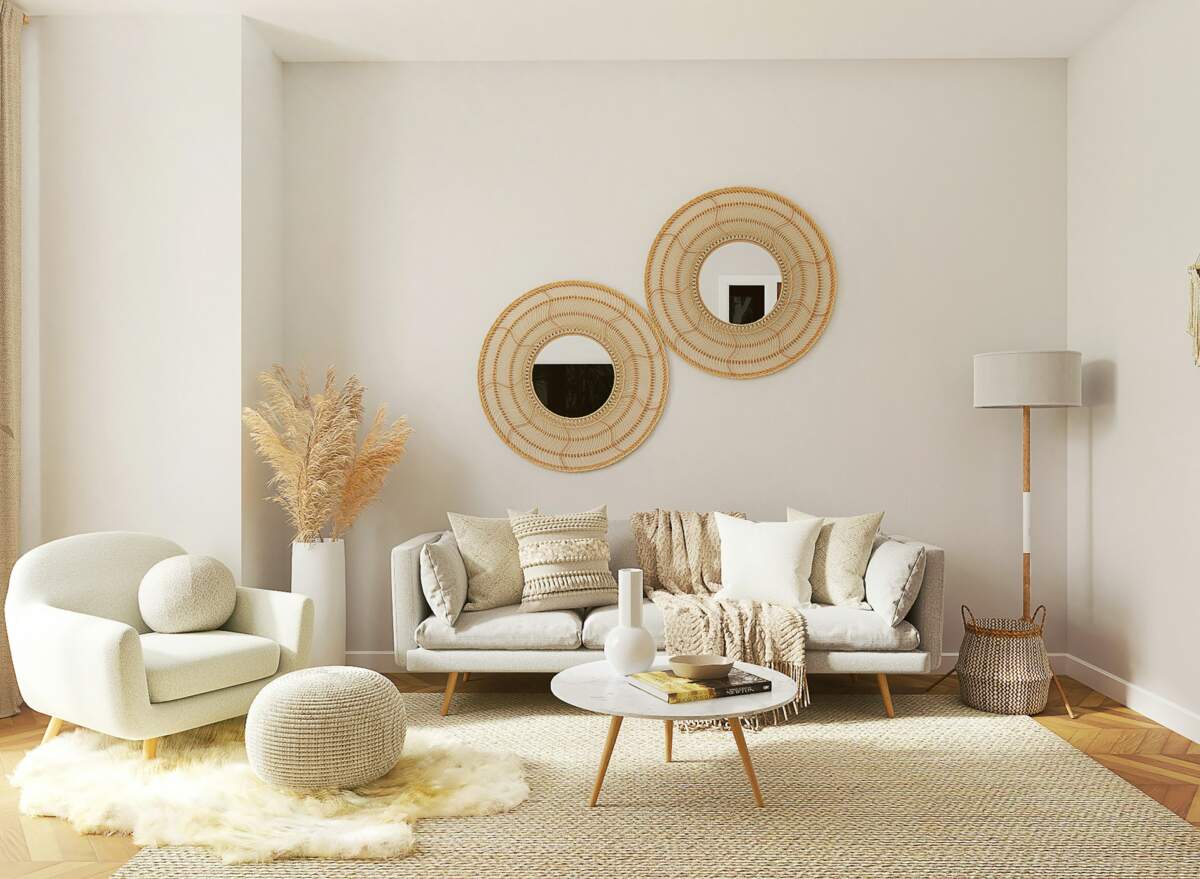

The modern residence often succumbs to the pressure of accumulation. We fill corners, cover surfaces, and crowd rooms, often mistaking abundance for comfort. However, a cluttered environment frequently leads to a cluttered mind.
The antidote to this visual noise is not merely emptying a room, but curating it with intention. True minimalism is about elevating the essential and stripping away the superfluous to reveal the architecture of your daily life.
Adopting a minimalist living does not require you to sacrifice personality or warmth. On the contrary, by reducing the quantity of items in your home, you increase the value and impact of what remains.
This guide outlines the professional strategies interior designers use to balance simplicity with character, ensuring your home remains a sanctuary rather than a showroom.
1. Defining the Core Principles of Reduction
Before purchasing new furniture or discarding old items, it is crucial to understand the philosophy behind the aesthetic.
Minimalism is not defined by white walls or lack of furniture; it is defined by purpose. Every object in the room must have a reason for being there, whether that reason is functional utility or emotional resonance.
The Philosophy of Intentionality
To achieve a high-end look, you must approach your space with the mindset of an editor. You are editing your environment to tell a specific story.
This process involves evaluating home aesthetics through the lens of necessity. When a room is stripped of distractions, the focus shifts to the quality of the materials and the flow of the space.
Consider the following core tenets of minimalist design:
- Negative Space: Regard space not as something to be filled, but as an active design element that allows the eye to rest.
- Visual Weight: Balance heavy pieces (like a solid oak table) with lighter elements (like slim-profile chairs) to maintain equilibrium.
- Cohesion: Ensure a dialogue exists between rooms, creating a seamless transition throughout the property.
2. Curating a Sophisticated Color Palette
A common misconception is that a minimal home must be stark white. While white reflects light and expands space, a strictly clinical palette can feel uninviting.
The goal is to create cozy spaces that feel expansive yet grounded. This is achieved through tonal variation rather than high-contrast chaos.
Monochromatic Layering
Professional designers often utilize a monochromatic or analogous color scheme to build depth. By staying within a single hue family—such as warm greys, oatmeals, or muted olives—you create a sense of serenity.
- Base Tone: Select a neutral shade for walls and large furniture pieces (60% of the room).
- Secondary Tone: Choose a slightly darker or lighter shade of the base tone for soft furnishings and rugs (30% of the room).
- Accent Tone: Use a grounding color, such as charcoal, deep navy, or matte black, for hardware and light fixtures (10% of the room).
This technique adds sophistication and ensures the environment feels tailored and deliberate.
3. The Strategic Approach to Decluttering
You cannot design a minimal home without addressing inventory. Clutter is the enemy of calm.
However, decluttering should not be a frantic purge; it should be a systematic audit of your possessions. To successfully transition into minimalist living, you must separate emotion from function.
The Audit and Categorization Process
Begin by categorizing items into three distinct groups: Essentials, Enhancements, and Excess.
- Essentials: Items used daily that are critical to the function of the household.
- Enhancements: Objects that contribute to the beauty or emotional value of the home (art, heirlooms).
- Excess: Duplicates, broken items, or “just in case” objects that occupy valuable square footage.
Once the excess is removed, implement strictly enforced storage solutions. “Hidden” storage is a hallmark of this design style. Utilize built-in cabinetry and multi-functional furniture to keep daily necessities accessible but out of sight.
If this audit coincides with a relocation, the process becomes even more valuable. Movers who have already streamlined their inventory tend to have a smoother experience on moving day, since fewer items mean faster loading, clearer documentation, and less to track in transit.
Professional relocation companies increasingly rely on digital tools, like those offered by https://www.edcus.com , to manage inventories, coordinate crews, and keep shipments visible from origin to destination, making the transition into your newly curated home as seamless as the space itself.
4. Selecting Furniture with Architectural Merit
In a room with fewer items, each piece attracts more attention. Therefore, the quality and silhouette of your furniture become paramount.
Mass-produced, temporary furniture often lacks the structural integrity and visual appeal required for a minimal space. Instead, focus on home aesthetics that prioritize craftsmanship and timeless design.
Quality Over Quantity
Invest in “hero pieces” that anchor the room. A low-profile modular sofa or a sculptural coffee table serves as a focal point. When selecting these items, look for clean lines and natural materials.
Key attributes of minimalist furniture include:
- Simple Geometry: Avoid excessive ornamentation or complex patterns.
- Authentic Materials: Prioritize solid wood, stone, leather, and metal over synthetic veneers.
- Proportion: Ensure the furniture scale is appropriate for the room size; oversized furniture chokes a room, while undersized furniture makes it feel sparse.
5. Layering Textures to Introduce Warmth
A minimalist room without texture risks feeling sterile and hospital-like. To counter the clean lines and neutral palette, you must introduce tactile diversity.
Texture is the secret weapon for creating cozy spaces without adding clutter. It engages the senses and adds visual interest through shadow and light play.
Material Diversity
Contrast is key. If you have a sleek, polished concrete floor, soften it with a high-pile wool rug. If your sofa is a smooth leather, pair it with a boucle throw or linen cushions.
Incorporating organic elements is particularly effective:
- Wood Grain: Adds natural warmth and intricate detail.
- Stone and Ceramics: Introduce weight and earthy permanence.
- Woven Textiles: Jute, wool, and cotton add softness and acoustic dampening.
By varying the finish of materials—mixing matte, gloss, rough, and soft—you create a rich, inviting atmosphere that feels complete.
6. Lighting and Spatial Fluidity
Lighting is the final, yet arguably most critical, element of interior design. In a minimal home, light acts as a sculptor, defining edges and creating mood.
Relying on a single overhead light source will flatten the room and wash out the texture you have carefully curated.
Illuminating the Architecture
Maximize natural light wherever possible by using sheer window treatments or leaving windows bare if privacy permits. For artificial lighting, adopt a layered approach.
- Ambient Lighting: General illumination that mimics natural light.
- Task Lighting: Focused light for reading, cooking, or working (e.g., a dedicated desk lamp).
- Accent Lighting: Directional light used to highlight art or architectural features.
Proper lighting highlights the home aesthetics you have built, emphasizing the clean lines and open layouts. Furthermore, warm-temperature bulbs (2700K-3000K) are essential for maintaining the atmosphere of cozy spaces in the evening.
Ultimately, the interplay of light and shadow completes the transition to minimalist living, turning a house into a refined, restorative home.
Designing for the Future
Building a minimal home is not a weekend project; it is a shift in lifestyle and perspective. It requires a commitment to purchasing less but better, and a dedication to maintaining order.
By focusing on intentionality, quality materials, and light, you create a space that serves your needs and restores your energy. If you are ready to transform your residence into a masterclass of design, start by editing your space today.