
Choosing a building structure isn’t a decision to rush. Whether you’re planning a storage facility, a workshop, or a full-scale commercial space, the type of steel building you select will shape your budget, timeline, and how well the structure performs for years to come.
With so many configurations available, it helps to understand what separates one option from another before signing off on a design.
This guide walks through the major factors that go into selecting steel building packages, from understanding your site requirements to comparing frame types and customization levels.
By the end, you’ll have a clearer picture of which structure aligns with your goals, budget, and long-term plans.
Understanding Your Project Requirements Before You Buy
Before comparing manufacturers or browsing floor plans, it’s worth mapping out exactly what your project needs. Steel buildings are versatile, but the right configuration depends heavily on how the space will be used.
Define the Building’s Primary Function
Ask yourself what the structure needs to accomplish. A self-storage facility has different structural demands than an agricultural building or a retail space. Consider:
- Expected foot traffic or vehicle access
- Storage or equipment needs
- Climate control requirements
- Future expansion possibilities
Account for Site-Specific Factors
Local building codes, soil conditions, and regional weather patterns all influence design choices.
A building constructed for a coastal area with high wind loads will require different engineering than one built in a snow-heavy region. Getting these details right early prevents costly redesigns later.
Metal Building Kits: A Cost-Effective Starting Point
For many buyers, metal building kits offer an accessible entry point into steel construction. These kits typically include pre-cut, pre-drilled components that are shipped to the job site ready for assembly.
Why Kits Appeal to Budget-Conscious Builders
Metal building kits reduce labor costs since much of the fabrication work happens before the materials ever arrive. This translates to:
- Shorter construction timelines
- Fewer on-site errors during assembly
- Predictable material costs
Best Applications for Kit-Based Construction
Kits work particularly well for straightforward structures like small workshops, garages, and single-use storage units.
If your project has a simple footprint and doesn’t require extensive customization, a kit-based approach can deliver excellent value without compromising durability.
Pre-Engineered Steel Buildings vs. Traditional Construction
One of the biggest decisions buyers face is whether to go with pre-engineered steel buildings or a traditional construction method. Each has distinct advantages depending on the scope of the project.
Speed and Efficiency Advantages
Pre-engineered steel buildings are designed using standardized components manufactured off-site, then assembled on location.
This approach significantly shortens build time compared to conventional framing methods, which often require materials to be cut and fitted on-site.
Long-Term Durability Considerations
Steel resists many of the issues that affect traditional wood-framed structures, including rot, termite damage, and warping.
For buyers prioritizing longevity and low maintenance, pre-engineered options often outperform traditional builds over the lifespan of the structure.
When Traditional Construction Still Makes Sense
Not every project fits neatly into a pre-engineered mold. Highly irregular architectural designs or projects requiring extensive integration with existing structures may still call for traditional methods.
It’s worth discussing your specific layout with a builder to determine which approach fits best.
Exploring Custom Steel Buildings for Unique Projects
Standard configurations work for many projects, but some buyers need more flexibility. Custom steel buildings allow for tailored dimensions, specialized layouts, and unique architectural features that off-the-shelf options can’t accommodate.
Design Flexibility Without Sacrificing Strength
Customization doesn’t mean compromising on structural integrity. Reputable manufacturers engineer custom buildings to meet the same code requirements and load-bearing standards as standard models, while still allowing for:
- Custom span widths for wide-open interior spaces
- Specialized roof pitches and rooflines
- Personalized door, window, and ventilation placement
Industries That Benefit Most from Custom Builds
Agricultural operations, manufacturing facilities, and commercial retail spaces often require layouts that standard kits can’t provide.
If your project involves heavy equipment, specific clearance heights, or unusual site dimensions, a custom approach is typically the more practical route.
Key Features to Compare Across Steel Building Packages
Once you’ve narrowed down the general building type, it’s time to compare specific features. Not all steel building packages are created equal, and small differences in materials or design can have a big impact on performance.
Frame Type and Load Capacity
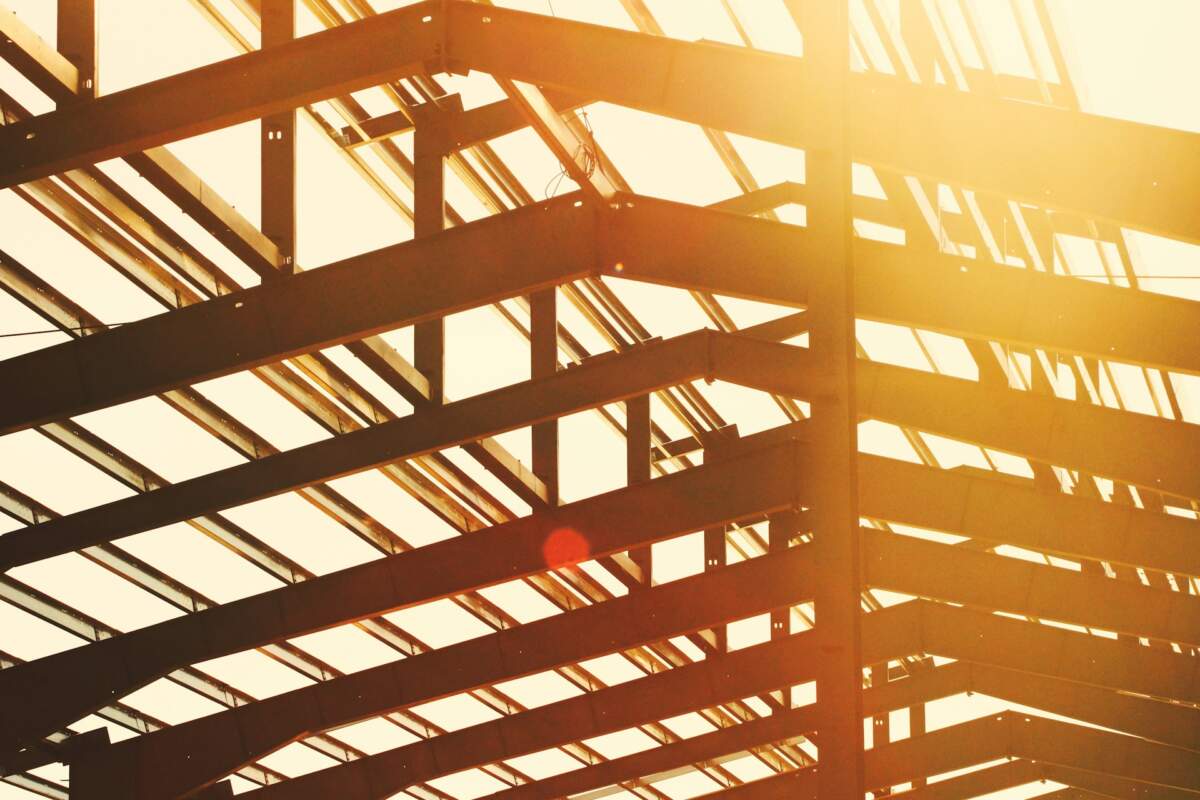
Different frame systems serve different purposes. For example, truss frame designs are known for spanning wide spaces with minimal interior columns, making them well-suited for agricultural and commercial applications.
Rigid frame systems, on the other hand, are engineered for heavy-duty performance and are often chosen for large industrial projects requiring open, unobstructed interiors.
Material Quality and Warranty Terms
Look closely at the gauge of steel used, coating treatments for rust resistance, and warranty coverage. These details directly affect how well the building holds up against weather exposure and daily wear over time.
Included Components vs. Add-On Costs
Some packages bundle in doors, windows, and trim work, while others treat these as separate line items. Clarify what’s included upfront so you can accurately compare pricing across different providers.
Working With a Trusted Manufacturer From Design to Delivery
The manufacturer you choose plays a significant role in how smoothly your project comes together. A knowledgeable partner can guide you through design decisions, ensure code compliance, and help you avoid costly mistakes.
What to Look for in a Manufacturer
Prioritize companies with a track record of quality workmanship and clear communication throughout the process. Look for manufacturers who:
- Offer design tools to visualize your building before purchase
- Provide clear, easy-to-follow assembly instructions
- Have experience navigating state and local building codes
The Value of End-to-End Support
A strong manufacturer doesn’t just sell materials. They support you from initial design through shipping and final assembly, helping incorporate your specific layout needs while confirming the structure meets required codes.
This kind of guidance can be the difference between a smooth build and a frustrating one.
Making the Right Choice for Your Structure
Selecting the right steel building comes down to matching your project’s function, budget, and site conditions with the appropriate frame type and level of customization.
Whether you land on a straightforward kit, a pre-engineered design, or a fully custom structure, taking the time to evaluate your specific requirements pays off in the long run.
If you’re ready to explore your options, steel building packages designed for durability and long-term value are a smart place to start comparing frame types, features, and pricing side by side.